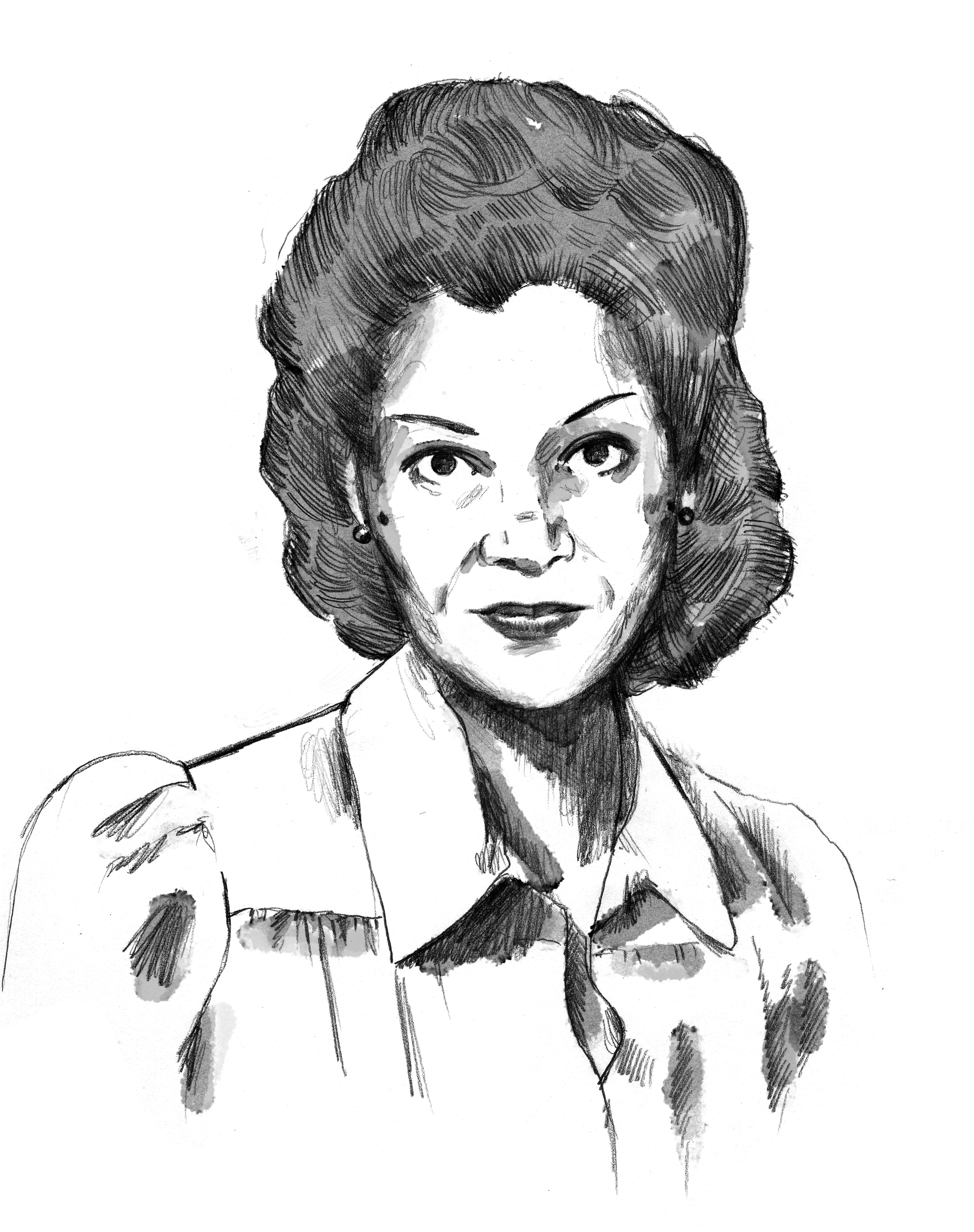
Marie Vieux-Chauvet was a Haitian novelist whose Love, Anger, Madness (1968) became one of the sharpest literary witnesses to Duvalier-era terror — and was immediately suppressed by her family after publication for fear of regime retaliation, forcing Vieux-Chauvet into exile.
Her fiction records the way dictatorship enters houses, land disputes, sexuality, police power, and literary circles without ceasing to be art: the claustrophobia, violence, and social corrosion of the dictatorship named through intimate domestic scenes. In the vault she matters because her novels also register the long afterlife of the U. S. occupation inside twentieth-century Haitian social life, and because her suppression is itself historical evidence of how Duvalierism operated.
In the ScholarshipHow historians have read this figure.
How historians and scholars have interpreted this figure across different analytical traditions.
TimelineAcross the historical record.
- 1915
U.S. Occupation of Haiti
Her fiction registers the long afterlife of the U.S. occupation inside twentieth-century Haitian social life — the occupation's effects on class, color, and power persisting into the Duvalier era.
- 1954
Novelist and Literary Witness
Wrote Love, Anger, Madness (1968) and other novels documenting Haitian social life under Duvalierism; forced into exile after the novel was suppressed by her family following publication.
RelationshipsPeople connected to this life.
- OpposedFrançois Duvalier
Her novel Love, Anger, Madness was a witness to and indictment of Duvalier-era terror; her family suppressed the book after publication for fear of retaliation, and she went into exile.