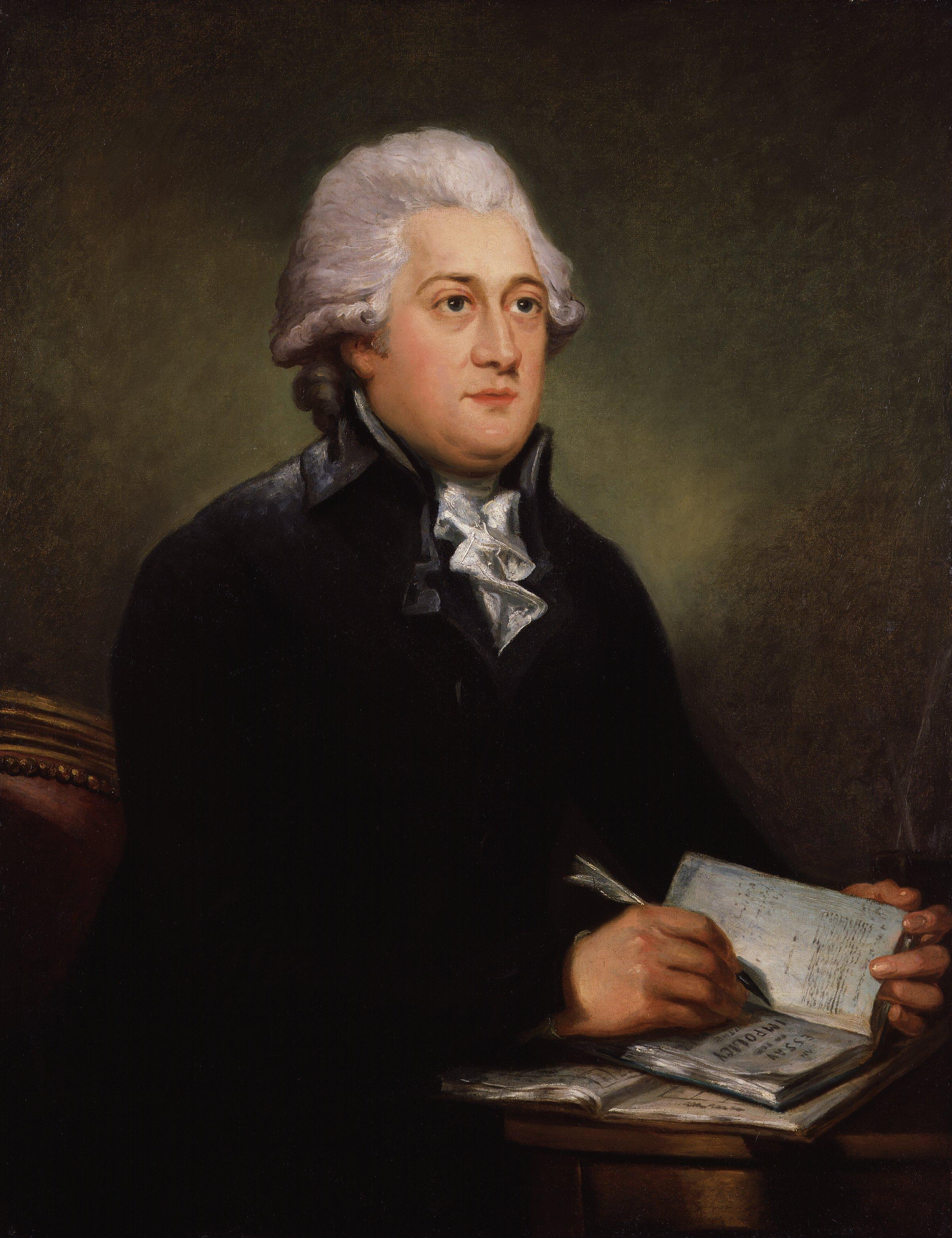
Thomas Clarkson was one of the leading British abolitionists who appears at two distinct moments in the vault's account of Haiti.
In the pre-revolutionary period, he provided financial support to Vincent Ogé when Ogé traveled secretly through London in 1790 on his way to organize the free-colored uprising near Cap-Français — making Clarkson a transatlantic enabler of the rights struggle before the revolution. In the post-independence period, he maintained a correspondence with Henri Christophe that helped the northern kingdom present itself to sympathetic British readers and reformers, most fully documented in Griggs and Prator's Henri Christophe and Thomas Clarkson: A Correspondence. He is useful to the knowledge graph as a bridge between Haiti's internal political struggles and the broader Atlantic campaign over slavery, recognition, and Black sovereignty.
In the ScholarshipHow historians have read this figure.
How historians and scholars have interpreted this figure across different analytical traditions.
Dubois's Avengers of the New World situates Thomas Clarkson within the transatlantic abolitionist network that provided financial and political support to the free-colored rights movement before the revolution — specifically his provision of funds to Vincent Ogé before the 1790 uprising. Dubois reads this connection as evidence of how British abolitionism and the Haitian revolutionary movement were entangled from the beginning — not simply as parallel movements but as networks that exchanged support, information, and political pressure across the Atlantic. Clarkson's later advocacy for Haitian recognition and his efforts to introduce Haitian cotton to Britain as an alternative to slave-grown American cotton appear in Dubois's account as the extension of this transatlantic solidarity into the post-independence period.
Clarkson's funding of Ogé and his later Haitian cotton advocacy demonstrate the entanglement of British abolitionism and Haitian revolution — not parallel movements but networks exchanging support across the Atlantic from the uprising's eve through independence.
TimelineAcross the historical record.
- 1787
British Abolitionist and Haiti Correspondent
Co-founder of the Society for Effecting the Abolition of the Slave Trade (1787); corresponded with Henri Christophe in the 1810s and provided financial support to Vincent Ogé in 1790.
RelationshipsPeople connected to this life.
- Allied withVincent Ogé
Provided financial support to Ogé when Ogé traveled secretly through London in 1790 on his way to organize the free-colored uprising in Saint-Domingue — making Clarkson a transatlantic enabler of the pre-revolutionary rights struggle.
- Allied withHenri Christophe
Maintained a correspondence with Christophe in the 1810s–1820s; Geggus documents Christophe writing to Clarkson in March 1819. Their exchange is collected in Griggs and Prator's Henri Christophe and Thomas Clarkson: A Correspondence.
- Related toAlexandre Pétion
Alexandre Pétion