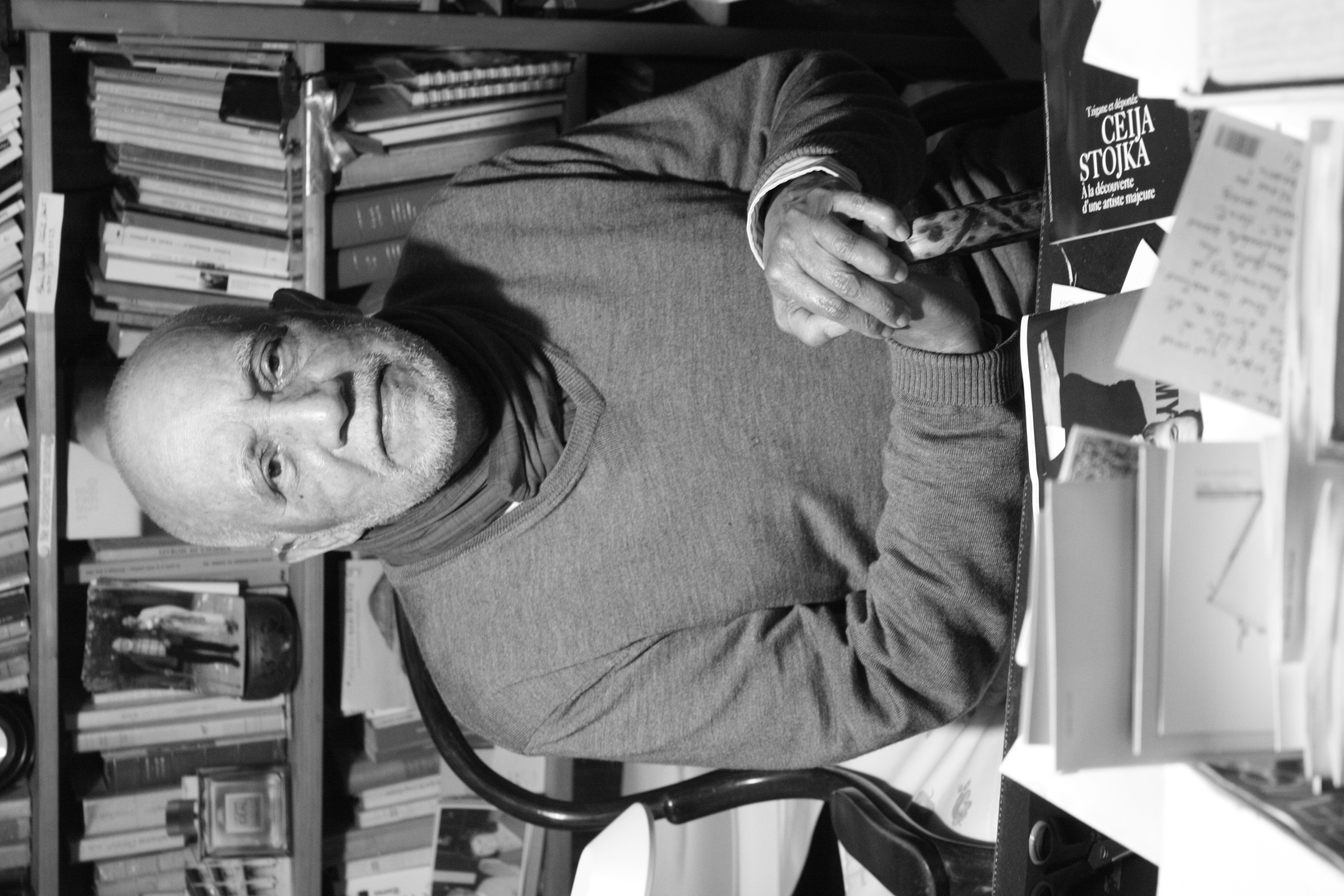
René Dépestre was a central figure in the 1946 generation of Haitian writers, attempting to fuse surrealism, Black liberation politics, and revolutionary aesthetics in the aftermath of the U.
S. occupation and the rise of fascism. Dash reads him as the poet who understood that poetic experimentation was itself a political act — the revolt rhetoric of his early work was inseparable from a generational challenge to noirisme and the cultural conservatism that had shaped Haitian letters under Estimé's predecessors. He would spend most of his adult life in exile, moving through Cuba, Europe, and finally France, continuing to write across the divide between Haitian revolutionary memory and the broader Francophone world.
In the ScholarshipHow historians have read this figure.
How historians and scholars have interpreted this figure across different analytical traditions.
TimelineAcross the historical record.
- 1945
Poet and Public Intellectual
Published his first collection Étincelles in 1945 at age 19, helped lead the student-based uprising that became the 1946 revolution, and spent decades in exile writing poetry, fiction, and political essays.
- 1946-01
Revolution of 1946
Participated in the student mobilization and popular uprising that overthrew Élie Lescot in January 1946 and brought Dumarsais Estimé to power; this political moment shaped his early poetic and political vision.
RelationshipsPeople connected to this life.
- Allied withJacques-Stephen Alexis
Both Dépestre and Alexis belonged to the 1946 generation — radical Haitian writers who challenged noirisme's cultural politics and sought to link Haitian literary modernism with Black liberation and Marxist thought.