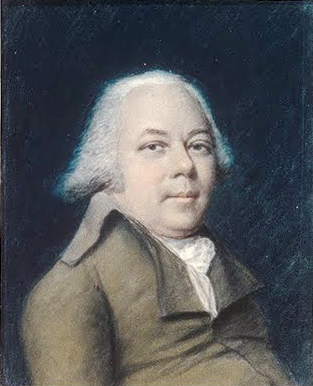
Médéric Louis Élie Moreau de Saint-Méry was a white creole lawyer, legal compiler, and colonial administrator born in Martinique whose two major works — the Loix et Constitutions des Colonies Françoises and the Description topographique, physique, civile, politique et historique de la partie française de l'isle Saint-Domingue — constitute the most extensive surviving documentary record of colonial Saint-Domingue.
His Loix compiled the exact legal mechanisms of racial hierarchy including ordinances on manumission, arms, Sunday markets, naming law, and the 1771 Minister's letter explicitly declaring racial humiliation a deliberate instrument of colonial order. His Description provided a 128-category racial taxonomy and ethnographic descriptions of enslaved cultural practices, written during his Philadelphia exile (1794–1798) as the colony he chronicled was being destroyed. He is indispensable as a source and unreliable as an interpreter — what he records is evidence; what he argues is ideology.
In the ScholarshipHow historians have read this figure.
How historians and scholars have interpreted this figure across different analytical traditions.
TimelineAcross the historical record.
- 1776
Member, Conseil Supérieur, Cap-François
Served in the Superior Council at Cap-François, giving him direct access to the administrative apparatus, archives, and legal machinery governing the colony.
- 1784
Co-Founder, Cercle des Philadelphes
Founded Cap-François's most prestigious learned society, which brought together planters, lawyers, and scientists for Enlightenment-style inquiry into colonial society.
- 1791-08-14
Bois Caïman Ceremony
His ordinances prohibiting assembly, masquerade, and unauthorized gatherings are the legal context within which ceremonies like Bois Caïman were criminalized; his ethnographic descriptions of African-derived religious practice provide the closest colonial documentary record.