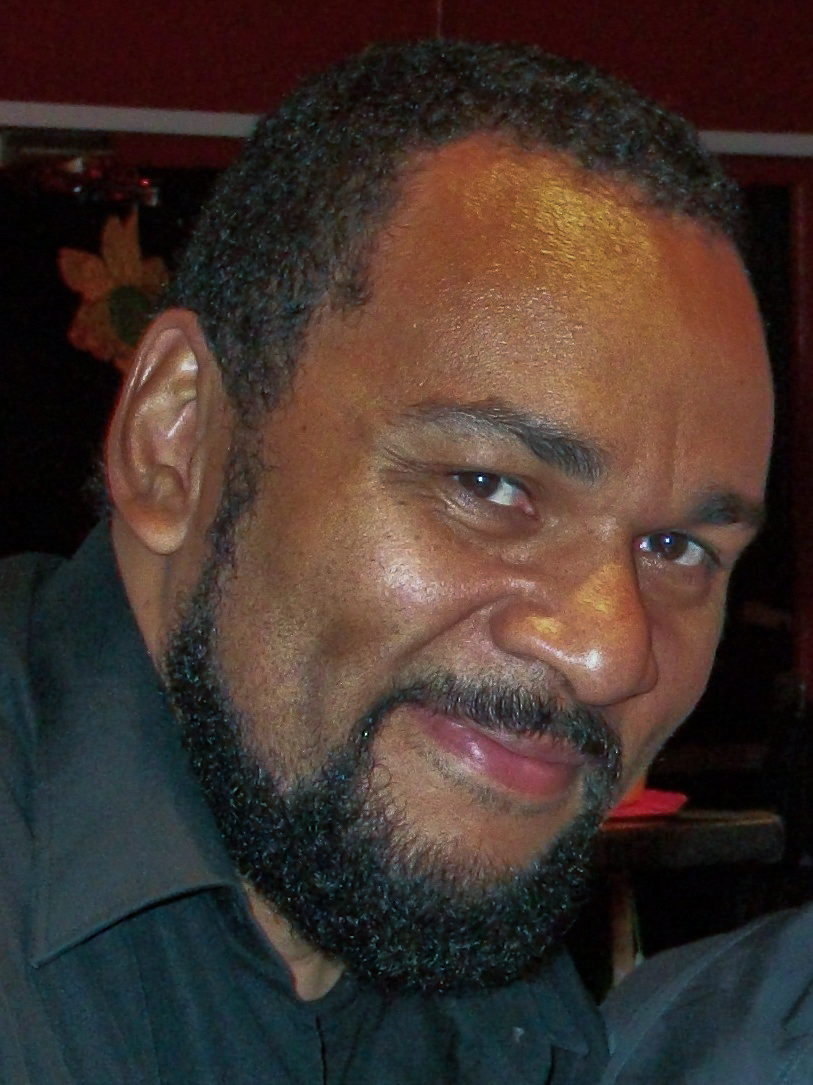
Dieudonné was a Kongolese-born insurgent commander who succeeded Halaou after the latter's assassination by a mulatto faction and led one of the largest independent Black forces around Port-au-Prince from 1794-1796.
In June 1794, during Sonthonax's retreat to Jacmel, the commissioner met Dieudonné at the Nérette plantation, placed his medallion around his neck, and delegated symbolic authority to him. By late 1795, Dieudonné and a commander named Pompée led roughly three to four thousand armed insurgents in open conflict with Rigaud and Bauvais — not from opportunism but from principled distrust of free-colored commanders who denied equality to Black officers. Toussaint Louverture eventually intervened, writing to Dieudonné while secretly encouraging his followers to break with him; the lieutenant Laplume led the internal betrayal. Dieudonné was imprisoned and died in Saint-Louis prison, reportedly by starvation. He shows that the 'war within the war' dynamic existed in the West Province as early as 1794-1796, decades before its most famous iteration in 1802-1803.
In the ScholarshipHow historians have read this figure.
How historians and scholars have interpreted this figure across different analytical traditions.
Fick's Making Haiti recovers figures like Dieudonné from the colonial archive's fragmentary records of the 'war within the war' — the conflict between African-born bossale insurgents and the free-colored military leadership that complicated the revolutionary picture the nationalist historiography simplified into a unified Black uprising. Fick argues that the formerly enslaved, particularly the bossale who had experienced the Middle Passage and were less integrated into the plantation's labor hierarchy, often pursued a different revolutionary agenda from the free-colored military commanders who nominally led the resistance. Dieudonné's trajectory — bossale insurgent, military figure, ultimately integrated into or destroyed by the post-emancipation order — exemplifies the complex fate of those whose revolutionary vision most directly expressed the enslaved majority's interests.
Bossale insurgents like Dieudonné pursued a revolutionary agenda distinct from the free-colored military leadership — a 'war within the war' that the nationalist historiography simplified into unified Black resistance.
RelationshipsPeople connected to this life.
- OpposedToussaint Louverture
Toussaint intervened by writing to Dieudonné while secretly encouraging his followers to betray him; Laplume led the internal break; Dieudonné was imprisoned and died
- OpposedAndré Rigaud
Led armed insurgency against Rigaud's authority; the conflict embodied the structural tension between African-born band commanders and free-colored republican leadership
- OpposedBauvais
Opposed Bauvais's free-colored command; argued that Black officers were denied equality in zones ruled by Rigaud and Bauvais
- Allied withLéger-Félicité Sonthonax
Sonthonax symbolically delegated authority to Dieudonné at the Nérette plantation in June 1794, placing his commissioner's medallion around his neck
- SucceededHalaou
Succeeded Halaou after his assassination by a mulatto faction; inherited command of the Congo bands around Port-au-Prince